
رمضان في مكة.. روحانية الحرم ودفء الأحياء الشعبية – أخبار السعودية
لحظات إنسانية قبل الأذان وبعده
ومع رفع أذان المغرب، ترتفع الدعوات وتعم لحظة صمت روحانية قبل الإفطار، ثم يتوجه الأهالي إلى المساجد القريبة لأداء صلاة المغرب وبعدها تستمر الليالي الرمضانية في أجواء تجمع بين العبادة واللقاءات الاجتماعية حتى ساعات متأخرة من الليل.
ويؤكد أهالي مكة المكرمة، أن هذه العادات ليست مجرد طقوس موسمية، بل جزء أصيل من هوية المدينة، توارثتها الأجيال وحافظت عليها رغم تغير الزمن وتكتسب هذه العادات اليوم بعداً إنسانياً إضافياً مع حرص المجتمع على مشاركة ضيوف الرحمن روحانية الشهر الفضيل.
وهكذا يبقى رمضان في مكة المكرمة لوحة فريدة تتكامل فيها روحانية الحرم مع دفء الأحياء الشعبية، وتستمر فيها قيم الإيثار والتكافل كعلامة مميزة للحياة اليومية في هذه المدينة المقدسة.
تعيش مكة المكرمة في شهر رمضان أجواءً استثنائية تجمع بين قدسية المكان وعمق القيم الاجتماعية المتوارثة عبر الأجيال. وبينما يحتضن المسجد الحرام ملايين الزوّار والمعتمرين الذين يفدون من مختلف أنحاء العالم، تنبض الأحياء الشعبية في المدينة بحياة رمضانية خاصة تعكس كرم أهل مكة المكرمة وبساطة عيشهم.
على مدى عقود ظلّ المسجد الحرام محور يوميات الأهالي خلال الشهر الفضيل، إلا أن السنوات الأخيرة شهدت تحوّلاً لافتاً؛ إذ بات كثير من سكان مكة المكرمة يفضّلون أداء الصلوات والتراويح في مساجد الأحياء القريبة من منازلهم. ويأتي هذا التوجه إيثاراً لضيوف الرحمن، وإفساحاً للمجال أمامهم للاستمتاع بالأجواء الروحانية في الحرم الشريف.
فالمساجد الصغيرة تمتلئ بالمصلين، وتقام حلقات القرآن والدروس الوعظية التي تجمع كبار السن والشباب والأطفال في مشهد يعكس تماسك المجتمع المكي.
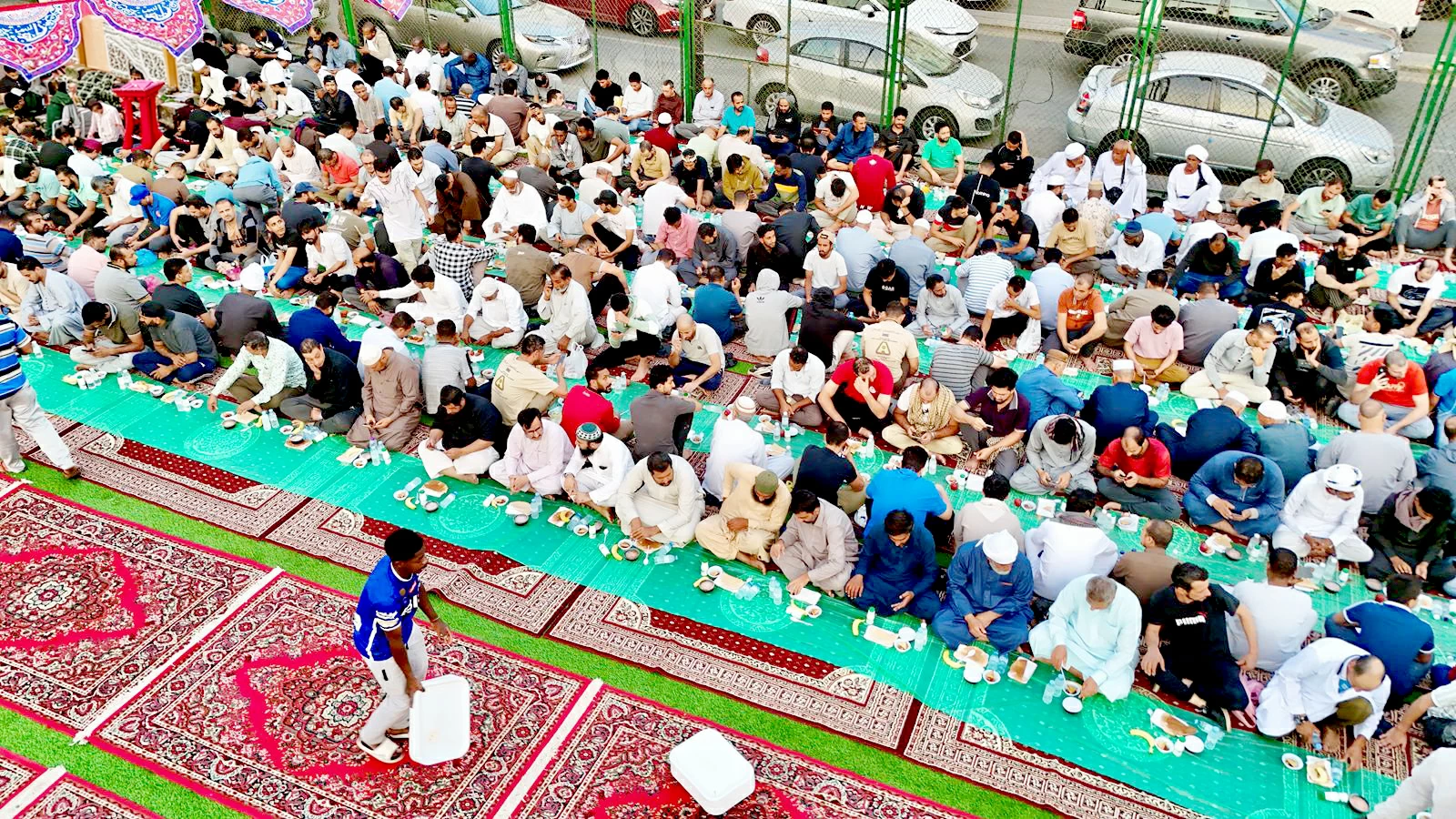
وتبرز موائد الإفطار الجماعية كأحد أهم المظاهر الرمضانية في الأحياء القديمة ففي الأزقة الضيقة بين البيوت المتلاصقة، يشارك الأهالي في إعداد الأطباق الشعبية التي ارتبطت بذاكرة رمضان في مكة المكرمة، مثل الشوربة والسمبوسة والتمر وقبيل أذان المغرب تتحول تلك الأزقة إلى ساحات مفتوحة للجيران والمارة، وتمتد الموائد للجميع دون استثناء، في صورة تجسد كرم المكيين ودفء قلوبهم.
Human moments before and after the call to prayer
With the call to the Maghrib prayer, the prayers rise, and a moment of spiritual silence prevails before breaking the fast. Then, families head to nearby mosques to perform the Maghrib prayer, and the Ramadan nights continue in an atmosphere that combines worship and social gatherings until the late hours of the night.
The people of Mecca confirm that these customs are not merely seasonal rituals but an integral part of the city’s identity, passed down through generations and preserved despite the changing times. Today, these customs acquire an additional human dimension as the community is keen to share the spirituality of the holy month with the guests of الرحمن.
Thus, Ramadan in Mecca remains a unique tableau where the spirituality of the sacred mosque complements the warmth of the popular neighborhoods, and the values of altruism and solidarity continue to be a distinctive feature of daily life in this holy city.
During the month of Ramadan, Mecca experiences exceptional atmospheres that combine the sanctity of the place with the depth of social values inherited through generations. While the Grand Mosque hosts millions of visitors and pilgrims arriving from all over the world, the popular neighborhoods of the city pulse with a special Ramadan life that reflects the generosity of the people of Mecca and their simple way of living.
For decades, the Grand Mosque has been the focal point of the daily lives of the locals during the holy month; however, recent years have witnessed a notable shift. Many residents of Mecca now prefer to perform prayers and Taraweeh in the mosques of the neighborhoods close to their homes. This trend is a gesture of altruism towards the guests of الرحمن, allowing them to enjoy the spiritual atmosphere in the sacred mosque.
The small mosques fill up with worshippers, and Quran circles and preaching lessons are held, gathering the elderly, youth, and children in a scene that reflects the cohesion of the Meccan community.
Collective iftar tables stand out as one of the most important Ramadan manifestations in the old neighborhoods. In the narrow alleys between the closely-knit houses, residents participate in preparing traditional dishes that are linked to the memory of Ramadan in Mecca, such as soup, sambusas, and dates. Just before the call to Maghrib, these alleys transform into open spaces for neighbors and passersby, with tables extending for everyone without exception, embodying the generosity of the Meccans and the warmth of their hearts.
للمزيد من المقالات
اضغط هنا
التعليقات