
«بئر العهن» التي توضأ منها الرسول وسماها «اليسيرة» – أخبار السعودية
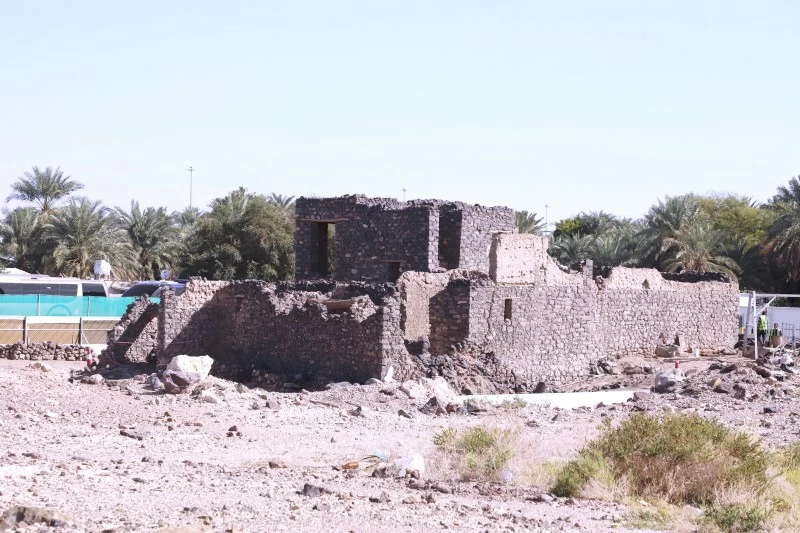
بئر العهن التي يُروى أنها كانت تُدعى بالعسرة، فسماها الرسول -صلى الله عليه وسلم- «اليسيرة» كما روى ابن سعد في طبقاته عن عمر بن أبي سلمة أنّ النبي -صلى الله عليه وسلم- سمّاها اليسيرة، وروى ابن شبّة عن محمّد بن حارثة الأنصاري: أنّ النبي -صلى الله عليه وسلم- سمّى بئر بني أميّة بن زيد من الأنصار: اليسيرة، وبرّك عليها وتوضّأ وبصق فيها، وتقع في عالية المدينة جنوب شرق المسجد النبوي، والذي تبعد عنه قرابة أربعة كيلومترات، كما تبعد عن مسجد قباء (أول مسجد بني في الإسلام) كيلو متر واحد في شرقه.
وحُفرت البئر في الصخر، ومطوية بالحجارة البازلتية المتناسقة، وكانت بئراً عذبة وغزيرة، ويبلغ قطرها (٣.٥) متر، واليوم تعد بئراً معطلة مهجورة، ولكنها لا تزال تحمل بُعداً تاريخياً مرتبطاً بالنبي -صلى الله عليه وسلم- وصحابته، حيث كانت لبني أمية بن زيد من الأنصار، ثم اشتراها علي العمري، ثم آلت إلى آل شدقم من الأشراف، ثم لأولاد علي بن حسن الدمشقي الحسيني، وأخيراً وقفاً لآل البرزنجي وفق موسوعة معالم المدينة المنورة لمركز بحوث ودراسات المدينة المنورة.
The well of Al-Ahn, which is said to have been called Al-‘Asirah, was named by the Prophet -peace be upon him- “Al-Yasirah,” as narrated by Ibn Sa’d in his “Tabaqat” from Umar ibn Abi Salamah, that the Prophet -peace be upon him- named it Al-Yasirah. Ibn Shabba narrated from Muhammad ibn Harithah Al-Ansari that the Prophet -peace be upon him- named the well of Banu Umayyah ibn Zayd from the Ansar: Al-Yasirah, and he blessed it, performed ablution from it, and spat into it. It is located in the highlands of Medina, southeast of the Prophet’s Mosque, which is about four kilometers away from it, and it is one kilometer to the east of the Quba Mosque (the first mosque built in Islam).
The well was dug into the rock and is lined with harmonious basalt stones. It was a sweet and abundant well, with a diameter of (3.5) meters. Today, it is considered a neglected and abandoned well, but it still carries a historical significance related to the Prophet -peace be upon him- and his companions, as it belonged to Banu Umayyah ibn Zayd from the Ansar. It was later purchased by Ali Al-‘Umari, then passed to the Al-Shadqam family of the Sharifs, then to the children of Ali ibn Hasan Al-Dimashqi Al-Husseini, and finally became a waqf for the Al-Barzanji family, according to the Encyclopedia of the Landmarks of Medina by the Center for Research and Studies on Medina.
للمزيد من المقالات
اضغط هنا
التعليقات