
تحديد العمر التشغيلي لسفن التزويد.. شرط أساسي للترخيص – أخبار السعودية
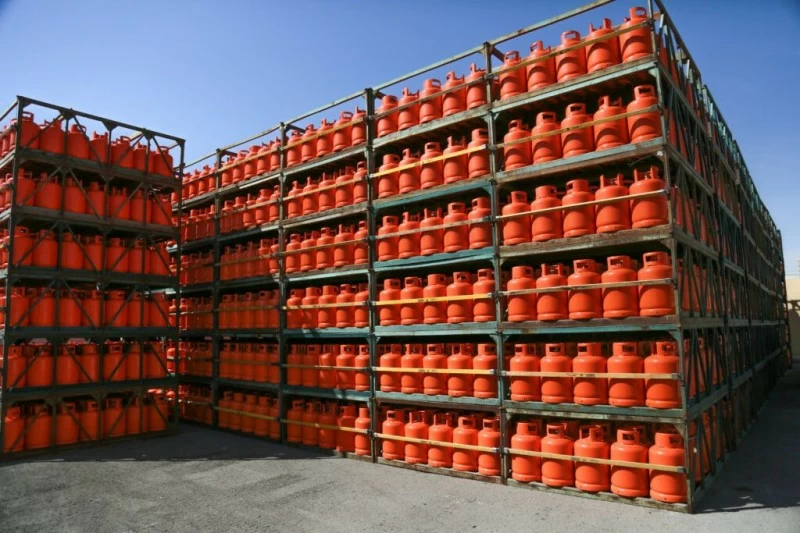
أصدرت وزارة الطاقة دليلاً يوضح اشتراطات مزاولة العمليات والأنشطة الخاضعة لنظام المواد البترولية والبتروكيماوية، إضافة إلى نظام توزيع الغاز الجاف وغاز البترول المسال للاستخدامات السكنية والتجارية، ويهدف الدليل إلى تنظيم القطاع ورفع جودة الخدمات المتعلقة بتداول وتوزيع المواد البترولية داخل المملكة، كما يتضمن الضوابط المنظمة للجهات المرخص لها شراء وبيع المواد البترولية في محطات الوقود لتزويد وسائل النقل الخاصة والعامة أو لأغراض التدفئة.
وبحسب الدليل، يُلزم المرخص لهم بالحفاظ على مخزون لا يقل عن 20% من السعة التخزينية لكل نوع من المواد البترولية، وتوفير منتجات مطابقة للمواصفات والمقاييس المعتمدة وفق الترخيص، كما شدد على ضرورة توفير وسائل الدفع الإلكتروني، وتشغيل شاشة لعرض الأسعار عند مدخل المحطة، وتطبيق الهوية التجارية على المضخات ومرافق المحطة، إضافة إلى توفير رقم اتصال موحد مجاني يعمل على مدار الساعة لخدمة العملاء واستقبال البلاغات والشكاوى.
كما ألزم الدليل المرخص لهم بتركيب نظام مراقبة لمستويات الوقود في خزانات المحطات باستخدام مقياس الخزان الأوتوماتيكي (ATG)، بما يتيح متابعة المخزون لحظياً عن بُعد، مما يعزز الرقابة التشغيلية ويضمن استمرارية الإمدادات.
وتشمل متطلبات الحصول على رخصة مزاولة بيع وشراء المواد البترولية في محطات الوقود تقديم سجل تجاري يتضمن النشاط المطلوب، ووثيقة تخصيص الطاقة الصادرة من وزارة الطاقة، ورخصة تشغيل من الجهة المشرفة على الموقع، إضافة إلى شهادة التحقق الدوري من معايرة مضخات الوقود الصادرة من الهيئة السعودية للمواصفات والمقاييس والجودة.
كما شدد الدليل على الالتزام بإجراءات السلامة أثناء عمليات تزويد الوقود؛ ومنها إيقاف الأنشطة أسفل مظلة الوقود خلال التعبئة، وتنظيم حركة المركبات والمارة في منطقة الخزانات باستخدام الحواجز والأقماع، ووضع علامات تحذيرية عند تفريغ الصهاريج في خزانات المحطة.
وأوضح الدليل الالتزامات الخاصة بالمحطات المتحركة التي تقدم خدمات تعبئة الوقود لوسائل النقل؛ ومنها الحصول على موافقة الجهة المشرفة عند التوقف في موقع ثابت، وتأريض الصهريج بطريقة آمنة أثناء التفريغ والتعبئة، والالتزام بعدم التعبئة في الطرق العامة أو داخل المباني، إضافة إلى توفير وسائل الدفع الإلكتروني ومواقف مخصصة أثناء التوقف.
وتضمن الدليل اشتراطات الحصول على ترخيص إنشاء مصفاة تكرير، وتشمل تقديم الطلب عبر البوابة الإلكترونية للوزارة من قبل صاحب الصلاحية أو من يفوضه، وإرفاق سجل تجاري يتضمن النشاط، وترخيص منشأة صناعية من وزارة الصناعة والثروة المعدنية، ورخصة من الجهة المشرفة على الموقع، إلى جانب تقديم دراسة جدوى اقتصادية للمشروع.
كما نص الدليل على ضرورة الحصول على موافقة الوزارة قبل إجراء أي تعديل على الأعمال الإنشائية والهندسية المعتمدة بما لا يقل عن 30 يوماً تقويمياً، وتركيب أنظمة قياس وفق المعايير العالمية، وتزويد الوزارة بالتقارير والوثائق المطلوبة خلال الفترات المحددة.
وأكدت الاشتراطات ضرورة التزام المرخص لهم بمتابعة العمليات التشغيلية والتأكد من توافقها مع المعايير البيئية والأنظمة ذات العلاقة، إضافة إلى إدارة المواد البترولية بكفاءة، كما نص الدليل على أن تتم عمليات حرق أو تصريف المواد البترولية في أضيق نطاق ولأسباب فنية مبررة، مع تجنبها إلا في الحالات الطارئة وإبلاغ الوزارة فوراً، وتنفيذها بطريقة آمنة.
وفي ما يتعلق بنقل المواد البترولية برّاً، حدد الدليل ضرورة الحصول على رخصة من الهيئة العامة للنقل، وتوفير شهادة الفحص الفني الدوري لوسائل النقل والخزانات، وتقديم قائمة بالصهاريج والشاحنات وسعاتها ونوع المادة المنقولة، مع اشتراط توفر 20 صهريجاً أو شاحنة كحد أدنى عند النقل للغير، كما ألزم المرخص لهم بإعداد دليل إجراءات لعمليات التعبئة والتفريغ والتعامل مع الطوارئ، وتدريب السائقين والعاملين على مخاطر المواد البترولية وإجراءات السلامة.
كما شملت الاشتراطات تنظيم نقل المواد البترولية بحراً؛ من خلال الحصول على ترخيص نشاط النقل البحري من الهيئة العامة للنقل، وتقديم شهادات التسجيل والتراخيص الملاحية للسفن، إضافة إلى بيان بالسفن وسعاتها ونوع المواد المراد نقلها. واشترط الدليل ألا يتجاوز عمر سفينة التزويد بالوقود 20 عاماً عند طلب الترخيص لأول مرة، و30 عاماً عند التجديد، مع الالتزام بسداد المقابل المالي المحدد.
The Ministry of Energy has issued a guide outlining the requirements for conducting operations and activities subject to the petroleum and petrochemical materials system, in addition to the distribution system for dry gas and liquefied petroleum gas for residential and commercial uses. The guide aims to organize the sector and improve the quality of services related to the trading and distribution of petroleum materials within the Kingdom. It also includes regulations governing the entities licensed to buy and sell petroleum materials at fuel stations to supply private and public transport or for heating purposes.
According to the guide, licensees are required to maintain a stock of no less than 20% of the storage capacity for each type of petroleum material and to provide products that meet the approved specifications and standards according to the license. It also emphasized the necessity of providing electronic payment methods, operating a screen to display prices at the station entrance, applying the commercial identity on pumps and station facilities, in addition to providing a unified free contact number that operates around the clock for customer service and receiving reports and complaints.
The guide also mandates that licensees install a monitoring system for fuel levels in station tanks using an Automatic Tank Gauge (ATG), allowing for real-time remote monitoring of stock, which enhances operational oversight and ensures supply continuity.
Requirements for obtaining a license to sell and purchase petroleum materials at fuel stations include submitting a commercial register that includes the required activity, a document for energy allocation issued by the Ministry of Energy, an operating license from the supervising authority of the site, in addition to a periodic verification certificate for the calibration of fuel pumps issued by the Saudi Standards, Metrology and Quality Organization.
The guide also stressed the commitment to safety procedures during fuel supply operations, including stopping activities under the fuel canopy during refueling, organizing the movement of vehicles and pedestrians in the tank area using barriers and cones, and placing warning signs when unloading tankers into the station’s tanks.
The guide clarified the obligations specific to mobile stations that provide fuel filling services for transport vehicles, including obtaining approval from the supervising authority when stopping at a fixed location, grounding the tanker safely during unloading and filling, and adhering to the prohibition of filling on public roads or inside buildings, in addition to providing electronic payment methods and designated parking during stops.
The guide included requirements for obtaining a license to establish a refinery, which includes submitting an application through the ministry’s electronic portal by the authorized person or their delegate, attaching a commercial register that includes the activity, an industrial facility license from the Ministry of Industry and Mineral Resources, a license from the supervising authority of the site, along with providing an economic feasibility study for the project.
The guide also stipulated the necessity of obtaining the ministry’s approval before making any modifications to the approved construction and engineering works at least 30 calendar days in advance, installing measurement systems according to international standards, and providing the ministry with the required reports and documents within the specified periods.
The requirements emphasized the necessity for licensees to monitor operational processes and ensure their compliance with environmental standards and related regulations, in addition to managing petroleum materials efficiently. The guide stated that the burning or disposal of petroleum materials should occur in the narrowest scope and for justified technical reasons, avoiding it except in emergencies and immediately notifying the ministry, and executing it safely.
Regarding the transportation of petroleum materials by land, the guide specified the need to obtain a license from the Public Transport Authority, provide a certificate of periodic technical inspection for transport vehicles and tanks, and submit a list of tankers and trucks along with their capacities and the type of material being transported, with a requirement to have a minimum of 20 tankers or trucks when transporting for others. Licensees are also required to prepare a procedural manual for filling and unloading operations and handling emergencies, as well as training drivers and workers on the risks of petroleum materials and safety procedures.
The requirements also included organizing the maritime transportation of petroleum materials by obtaining a maritime transport activity license from the Public Transport Authority, providing registration certificates and navigation licenses for ships, in addition to a statement of the ships, their capacities, and the type of materials to be transported. The guide stipulated that the age of the fuel supply ship should not exceed 20 years when applying for the license for the first time, and 30 years upon renewal, with adherence to paying the specified financial fee.
للمزيد من المقالات
اضغط هنا
التعليقات