
الدولار أم السندات أم الذهب.. ما الملاذ الأكثر أماناً للاحتفاظ به؟ – أخبار السعودية
أدت الاضطرابات المتصاعدة في الشرق الأوسط إلى موجة جديدة من القلق في الأسواق العالمية، ما دفع المستثمرين إلى البحث مجدداً عن الملاذات الآمنة لحماية أموالهم، لكن المفارقة أن الأصول التي تُعد تقليدياً ملاذات آمنة لم تعد تتحرك بشكل متوقع، إذ شهدت العملات والذهب والسندات تقلبات غير معتادة مع تصاعد التوترات الجيوسياسية، وفقًا لوكالة رويترز.
وفي الوقت الذي ارتفع فيه الدولار الأمريكي، شهدت أصول أخرى مثل السندات الحكومية والعملات الدفاعية أداءً متبايناً، بينما حافظ الذهب على مكانته كأحد أبرز أدوات التحوط في أوقات الأزمات.
الدولار يستعيد مكانته مؤقتاً
برز الدولار الأمريكي كأحد أفضل الملاذات الآمنة أداءً خلال الأسبوع الحالي، إذ ارتفع مؤشر الدولار (.DXY) الذي يقيس قوة العملة الأمريكية مقابل سلة من ست عملات رئيسية بنحو 1.5%، واللافت أن الدولار حقق مكاسب حتى أمام عملتين تقليدياً ما ترتفعان في أوقات التوترات، وهما الفرنك السويسري والين الياباني.
ويرى محللون أن الطلب الحالي يتركز أساساً على السيولة النقدية بالدولار على المدى القصير، وليس على الأصول الأمريكية الأخرى مثل الأسهم أو السندات.
كما ساعد ارتفاع أسعار النفط، الذي تجاوز 80 دولاراً لبرميلخام برنت القياس، في دعم العملة الأمريكية، خصوصا أن الولايات المتحدة تُعد من كبار مصدري الطاقة.
لكن خبراء يحذرون من أن مكانة الدولار كملاذ آمن قد تتراجع مستقبلاً بسبب حالة عدم اليقين المرتبطة بالسياسات الاقتصادية الأمريكية.
السندات الحكومية تفقد بريقها
في المقابل، لم تجذب السندات الحكومية التدفقات الاستثمارية المعتادة التي تظهر عادة خلال الأزمات الجيوسياسية.
ويركز المستثمرون حالياً على مخاطر التضخم وارتفاع مستويات الدين العام بدلاً من البحث عن الأمان في السندات.
وقد ارتفعت عوائد السندات الألمانية لأجل عشر سنوات – المعيار الرئيسي في منطقة اليورو – بمقدار 14 نقطة أساس هذا الأسبوع، ما يعكس تراجع الطلب عليها كملاذ دفاعي.
ويرى خبراء أن التوجهات المالية في أوروبا، بما في ذلك تخفيف ألمانيا لقيود الاقتراض الحكومي، تزيد المخاوف من ارتفاع الديون وبالتالي تضغط على جاذبية السندات.
الذهب يحتفظ بسمعته كملاذ آمن
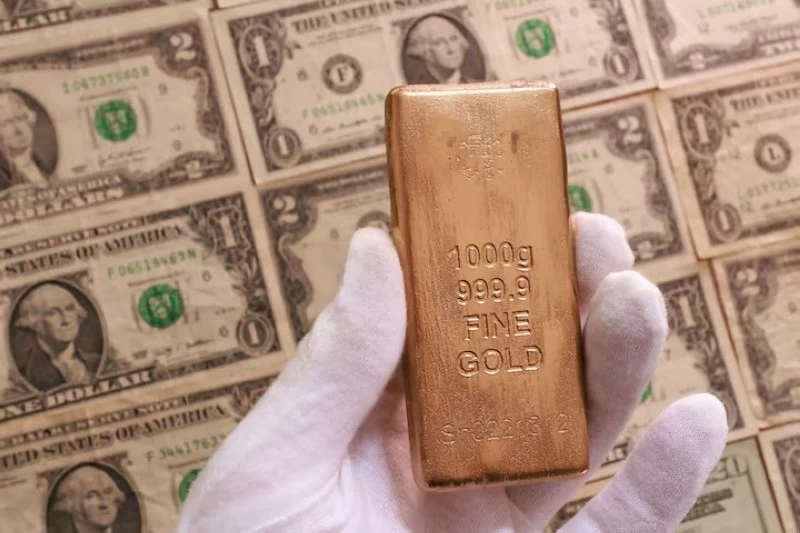
وعلى الرغم من التقلبات الأخيرة، لا يزال الذهب يحتفظ بسمعته القوية كملاذ آمن، فقد ارتفع المعدن الأصفر بنحو 240% منذ بداية العقد الحالي، مدفوعاً بالمخاوف المرتبطة بالتضخم والتوترات الجيوسياسية وارتفاع مستويات الديون العالمية.
ورغم تراجع الذهب مؤقتاً في بعض الجلسات هذا الأسبوع، يرجع المحللون ذلك إلى قيام المستثمرين ببيع بعض الأصول الرابحة لتعويض خسائر في أسواق أخرى.
ويرى محللون أن الذهب ما يزال منخفض التمثيل في المحافظ الاستثمارية العالمية، إذ تقل حصة الصناديق المتداولة المدعومة بالذهب عن 1% من إجمالي أصول الصناديق العالمية، مقارنة بنسبة استراتيجية تتراوح بين 5% و10%.
ويذهب بعض الخبراء إلى توقعات أكثر تفاؤلاً، مشيرين إلى أن سعر الذهب قد يصل إلى 6000 دولار للأوقية هذا العام، مقارنة بمستويات تتجاوز حالياً 5000 دولار.
اختبار صعب للعملات الدفاعية
أما العملات التي تعتبر تقليدياً ملاذات آمنة مثل الفرنك السويسري والين الياباني فقد واجهت اختباراً صعباً هذا الأسبوع، حيث تراجع الفرنك بنحو 1.2% والين بنحو 0.8%.
ومع ذلك، يرى بعض المحللين أن الين الياباني قد يوفر حماية أفضل نسبياً للمستثمرين في حال استمرار التوترات، لكن الغموض السياسي في اليابان يضيف طبقة جديدة من المخاطر، خصوصا بعد تقارير عن تحفظ رئيسة الوزراء ساناي تاكايتشي على رفع أسعار الفائدة بشكل أكبر.
وفي المقابل، قد يواجه الفرنك السويسري قيوداً على ارتفاعه، بعدما حذرالبنك الوطني السويسريمن استعداده للتدخل في الأسواق إذا ارتفعت العملة بشكل مفرط.
الأسهم الدفاعية تخالف التوقعات
حتى الأسهم الدفاعية، مثل شركات المرافق والسلع الاستهلاكية الأساسية، لم توفر الحماية المتوقعة هذه المرة.
ففي الولايات المتحدة، تراجعت قطاعات المرافق والسلع الاستهلاكية في مؤشر S&P 500 بنسبة 1% و2.8% على التوالي خلال هذا الأسبوع، بينما ظل المؤشر العام مستقراً تقريباً.
وفي أوروبا، انخفض مؤشر STOXX Europe 600 بنحو 3%، مع خسائر أكبر في القطاعات الدفاعية.
ويرجع المحللون ذلك جزئياً إلى أن هذه الأسهم كانت قد حققت أداءً قوياً بالفعل قبل اندلاع الحرب، ضمن توجه استثماري ركز على ما يسمى بـ «الأصول الحقيقية» مثل البنية التحتية والصناعات.
The escalating unrest in the Middle East has led to a new wave of anxiety in global markets, prompting investors to once again seek safe havens to protect their funds. However, the paradox is that traditionally safe-haven assets are no longer moving as expected, as currencies, gold, and bonds have experienced unusual volatility amid rising geopolitical tensions, according to Reuters.
While the US dollar has risen, other assets such as government bonds and defensive currencies have shown mixed performance, while gold has maintained its status as one of the most prominent hedging tools in times of crisis.
The Dollar Temporarily Regains Its Status
The US dollar has emerged as one of the best-performing safe havens this week, with the dollar index (.DXY), which measures the strength of the US currency against a basket of six major currencies, rising by about 1.5%. Notably, the dollar gained even against two currencies that traditionally rise during times of tension, namely the Swiss franc and the Japanese yen.
Analysts believe that current demand is primarily focused on dollar cash liquidity in the short term, rather than on other US assets like stocks or bonds.
The rise in oil prices, which exceeded $80 per barrel for Brent crude, has also supported the US currency, especially since the United States is one of the largest energy exporters.
However, experts warn that the dollar’s status as a safe haven may decline in the future due to uncertainty surrounding US economic policies.
Government Bonds Lose Their Luster
In contrast, government bonds have not attracted the usual investment flows that typically appear during geopolitical crises.
Investors are currently focusing on inflation risks and rising public debt levels instead of seeking safety in bonds.
German ten-year bond yields—the key benchmark in the Eurozone—rose by 14 basis points this week, reflecting a decline in demand for them as a defensive haven.
Experts believe that financial trends in Europe, including Germany’s easing of government borrowing restrictions, are increasing concerns about rising debt and thus putting pressure on the attractiveness of bonds.
Gold Maintains Its Reputation as a Safe Haven
Despite recent volatility, gold still retains its strong reputation as a safe haven, having risen by about 240% since the beginning of the current decade, driven by concerns related to inflation, geopolitical tensions, and rising global debt levels.
Although gold temporarily declined in some sessions this week, analysts attribute this to investors selling some profitable assets to offset losses in other markets.
Analysts believe that gold remains underrepresented in global investment portfolios, as the share of gold-backed exchange-traded funds is less than 1% of total global fund assets, compared to a strategic allocation range of 5% to 10%.
Some experts have more optimistic forecasts, suggesting that the price of gold could reach $6,000 per ounce this year, compared to current levels exceeding $5,000.
A Tough Test for Defensive Currencies
As for currencies that are traditionally considered safe havens, such as the Swiss franc and the Japanese yen, they faced a tough test this week, with the franc declining by about 1.2% and the yen by about 0.8%.
However, some analysts believe that the Japanese yen may provide relatively better protection for investors if tensions continue, but the political uncertainty in Japan adds a new layer of risk, especially following reports of Prime Minister Sanae Takaiichi’s hesitance to raise interest rates further.
In contrast, the Swiss franc may face limitations on its rise, as the Swiss National Bank has warned of its readiness to intervene in the markets if the currency rises excessively.
Defensive Stocks Defy Expectations
Even defensive stocks, such as utilities and consumer staples, did not provide the expected protection this time.
In the United States, the utilities and consumer staples sectors in the S&P 500 index fell by 1% and 2.8%, respectively, during this week, while the overall index remained nearly stable.
In Europe, the STOXX Europe 600 index dropped by about 3%, with larger losses in defensive sectors.
Analysts attribute this partly to the fact that these stocks had already performed strongly before the outbreak of the war, as part of an investment trend focused on what are called “real assets” such as infrastructure and industries.
للمزيد من المقالات
اضغط هنا
التعليقات