
شاشة المغرب تحيل «سفرة المعيشة» إلى مسرح – أخبار السعودية
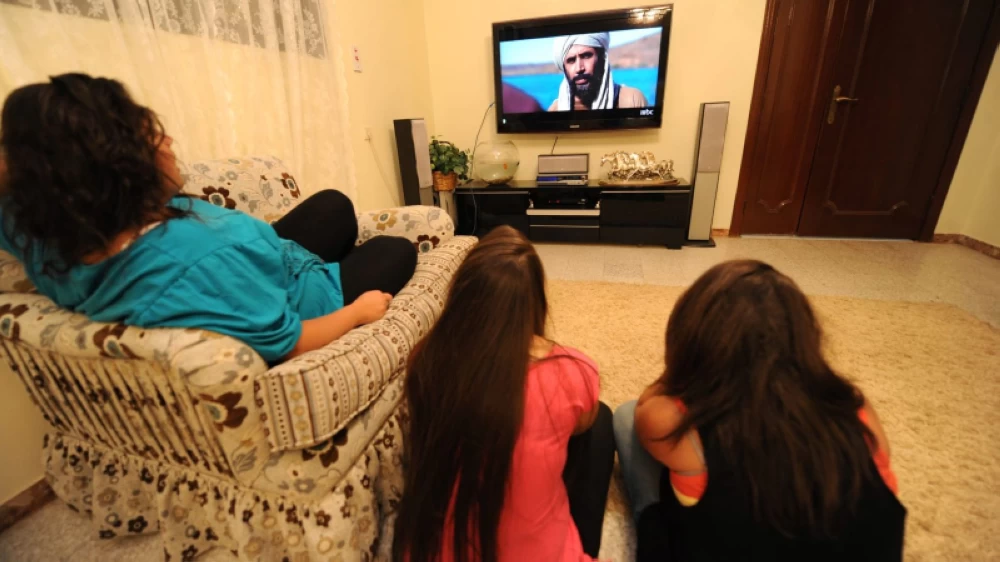
مع غروب الشمس في مصر، تتحول غرف المعيشة إلى مسارح صغيرة، حيث يجلس أفراد الأسرة أمام التلفاز لمتابعة المسلسلات الرمضانية، التي أصبحت تقليدًا يوميًا لا يتغير. من الكوميديا الساخرة إلى الدراما الاجتماعية المشحونة بالعواطف، كل حلقة تحمل قصة مختلفة، وتجعل العائلة كلها تتفاعل مع الأحداث، يضحكون أو يبكون مع الشخصيات كما لو كانوا جزءًا منها.
بينما تتفرغ الأسر للشاشات، تتحول الشوارع إلى أجواء هادئة نسبيًا، لكن في كل بيت هناك ضجة من النقاشات والتحليلات بعد كل حلقة. الشباب والكبار يناقشون المشاهد، ويبدون توقعاتهم للحلقات القادمة، فيما تشارك الجدات والحكماء نصائحهم عن سلوك الشخصيات، لتصبح الدراما وسيلة لتبادل الحوار والأفكار داخل العائلة والمجتمع.
ليست المسلسلات وحدها ما يشد الجمهور، بل الأعمال الفنية التقليدية التي تُعرض في المسارح أو على الشاشات، مثل الأغاني المميزة، والمسرحيات الرمضانية القديمة، والبرامج التي تسلط الضوء على التراث الشعبي. كل عمل يربط بين الماضي والحاضر، ويخلق شعورًا بالحنين مع تحديثات بسيطة تجعلها قريبة من أجيال اليوم.
مع الانتشار الرقمي ووسائل التواصل الاجتماعي، أصبحت المسلسلات تتجاوز الشاشة إلى منصات النقاش الإلكترونية. الجمهور يتفاعل مباشرة، ينشر التحليلات والتوقعات، ويشارك الصور المتعلقة بالشخصيات، ما يجعل «رمضان المصري» تجربة مشتركة بين الواقع والخيال، بين الشاشات والأزقة، بين الحاضر والموروث الثقافي.
إن متابعة الأعمال الدرامية والفنية في مصر ليست مجرد تسلية، بل تجربة جماعية متكاملة: تجمع العائلة، توثق الذكريات، تنقل القصص والقيم، وتربط بين الأجيال. رمضان هنا يصبح مهرجانًا للشاشة والفن، وروحًا تعكس حياة المجتمع المصري اليومية، حيث تتحول كل حلقة إلى حدث شعبي يُعاش ويُناقش ويُستمتع به.
As the sun sets in Egypt, living rooms transform into small theaters, where family members sit in front of the television to follow the Ramadan series, which has become an unchanging daily tradition. From satirical comedies to emotionally charged social dramas, each episode carries a different story, making the whole family engage with the events, laughing or crying with the characters as if they were part of them.
While families focus on the screens, the streets turn into relatively quiet atmospheres, but in every home, there is a buzz of discussions and analyses after each episode. Young people and adults discuss the scenes, sharing their predictions for the upcoming episodes, while grandmothers and wise ones offer their advice on the characters’ behaviors, making drama a means of exchanging dialogue and ideas within the family and community.
It’s not just the series that captivates the audience, but also the traditional artistic works presented in theaters or on screens, such as distinctive songs, old Ramadan plays, and programs that highlight folk heritage. Each work connects the past with the present, creating a sense of nostalgia with simple updates that make it relatable to today’s generations.
With the digital spread and social media, series have transcended the screen to electronic discussion platforms. The audience interacts directly, posting analyses and predictions, and sharing images related to the characters, making “Egyptian Ramadan” a shared experience between reality and imagination, between screens and alleys, between the present and cultural heritage.
Following dramatic and artistic works in Egypt is not just entertainment, but a comprehensive collective experience: it brings the family together, documents memories, conveys stories and values, and connects generations. Ramadan here becomes a festival of screen and art, a spirit that reflects the daily life of the Egyptian community, where each episode turns into a popular event that is lived, discussed, and enjoyed.
للمزيد من المقالات
اضغط هنا
التعليقات