
لبنان من الجنوب إلى البقاع: تبدل الخريطة والحسابات – أخبار السعودية
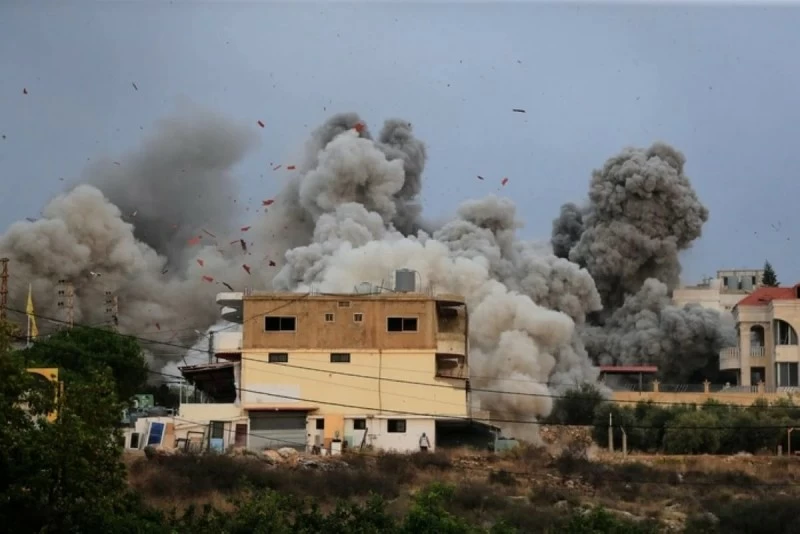
مساء الجمعة الماضي، خرج البقاع من هامش الاشتباك إلى قلبه، سلاح الجو الإسرائيلي نفّذ سلسلة غارات متزامنة استهدفت النبي شيت ورياق وعلي النهري وتمنين، في عملية وُصفت بأنها الأوسع في هذه المنطقة منذ اتفاق وقف إطلاق النار.
الضربات جاءت من دون إنذار مسبق، وأصابت مباني سكنية قيل إن أحدها كان يضم اجتماعاً ميدانياً لحزب الله الذي نعى عدداً من عناصره، فيما أعلنت وزارة الصحة سقوط قتلى وجرحى.
توقيت العملية لم يكن تفصيلاً، فهي حصلت في ذروة تصاعد التوتر الإقليمي، ومع عودة الحديث عن احتمال مواجهة مباشرة بين إسرائيل وإيران، وهنا تحديداً تتجاوز الضربة بعدها الميداني.
اختيار مساء الجمعة لم يكن اعتباطياً، الضربات جاءت في نهاية أسبوع سياسي وأمني حافل بالتصريحات والتسريبات حول سيناريوات التصعيد في المنطقة. عملياً، سبقت إسرائيل أي تطور محتمل بخطوة ميدانية واضحة، نقلت النار إلى عمق يعتبر شرياناً لوجستياً للحزب، بعدما كانت العمليات تتركز في الجنوب.
الدلالة الأولى أن الجغرافيا لم تعد عائقاً، ما كان يُنظر إليه كمخزون بعيد نسبياً عن خط الاشتباك أصبح هدفاً مباشراً، هذا يعني أن أي حسابات لبنانية أو إقليمية بوجود «مسافة أمان» سقطت مساء الجمعة.
الدلالة الثانية مرتبطة بالتوقيت الإقليمي، في ظل التوتر المفتوح بين تل أبيب وطهران، تبدو الضربة محاولة لتعديل ميزان المخاطر قبل أي تطور كبير، الرسالة بسيطة في مضمونها: إذا اتسع الاشتباك، فإن البنية العسكرية في لبنان ستكون تحت ضغط منذ اللحظة الأولى، وإنها عملية تقليص هوامش، لا مجرد رد موضعي.
لكن في المقابل، لا مؤشرات حتى الآن على قرار بحرب شاملة، ولا استدعاء واسعاً للاحتياط، ولا انتقال إلى قصف مكثف متواصل، ولا إعلان سياسياً عن أهداف تتجاوز الضربات المحددة، ما يجري أقرب إلى رفع سقف الاشتباك درجة إضافية، لا إلى قلب الطاولة بالكامل.
الخطورة تكمن في أن هذا السقف بات أعلى من السابق، عندما يستهدف البقاع بهذه الكثافة، يصبح أي رد لاحق محكوماً بمعادلة أكثر تعقيداً، فالصمت الطويل مكلف، والرد الكبير يفتح الباب أمام تصعيد يصعب ضبطه.
هل لبنان على عتبة الضربة المؤجلة؟ حتى الآن، لا يبدو أن ساعة المواجهة الشاملة قد دقّت، لكن مساء الجمعة رسم خطاً جديداً في المشهد: لم يعد الجنوب وحده ساحة النار، ولم يعد العمق بعيداً عن الحسابات.
بين هذين التحولين يقف لبنان في منطقة شديدة الحساسية، إذ يمكن لقرار إقليمي واحد أن يحوّل الغارات المحدودة إلى مواجهة مفتوحة خلال أيام، وربما ساعات.
المشهد إذاً ليس إعلان حرب، لكنه أيضاً ليس تفصيلاً عابراً، والمرحلة القادمة ستتوقف على سؤال واحد: هل تبقى الرسائل تحت السيطرة أم تتحول إلى شرارة تتجاوز نيات أصحابها؟
Last Friday evening, the Bekaa moved from the margins of the conflict to its heart, as the Israeli Air Force carried out a series of simultaneous airstrikes targeting Nabi Sheet, Riyak, Ali al-Nahri, and Tamnin, in an operation described as the largest in this area since the ceasefire agreement.
The strikes came without prior warning and hit residential buildings, one of which was reportedly hosting a field meeting for Hezbollah, which mourned several of its members, while the Ministry of Health announced casualties and injuries.
The timing of the operation was not a detail; it occurred at the peak of rising regional tensions, coinciding with renewed discussions about the possibility of a direct confrontation between Israel and Iran. Here, the strike transcends its immediate military dimension.
The choice of Friday evening was not arbitrary; the strikes came at the end of a politically and security-intensive week filled with statements and leaks regarding escalation scenarios in the region. Practically, Israel preempted any potential developments with a clear military step, moving the fire into the depths considered a logistical artery for the party, after operations had been concentrated in the south.
The first implication is that geography is no longer a barrier; what was viewed as a relatively distant stockpile from the line of engagement has become a direct target. This means that any Lebanese or regional calculations regarding the existence of a “safety distance” fell on Friday evening.
The second implication is related to the regional timing; amid the open tension between Tel Aviv and Tehran, the strike appears to be an attempt to adjust the balance of risks before any significant development. The message is simple in its essence: if the conflict escalates, the military structure in Lebanon will be under pressure from the very first moment, and it is a process of narrowing margins, not just a localized response.
However, on the other hand, there are no indications so far of a decision for a comprehensive war, no large-scale call-up of reserves, no transition to continuous intensive bombing, and no political announcement of objectives that exceed the specific strikes. What is happening is closer to raising the ceiling of engagement by an additional degree, rather than flipping the table entirely.
The danger lies in the fact that this ceiling has now risen higher than before; when the Bekaa is targeted with such intensity, any subsequent response is bound by a more complex equation. A long silence is costly, and a significant response opens the door to escalation that is difficult to control.
Is Lebanon on the brink of a postponed strike? So far, it does not seem that the hour of comprehensive confrontation has struck, but last Friday drew a new line in the scene: the south is no longer the only battlefield, and the depth is no longer distant from calculations.
Between these two transformations, Lebanon stands in a highly sensitive area, as a single regional decision can turn limited airstrikes into an open confrontation within days, or perhaps hours.
Thus, the scene is not a declaration of war, but it is also not a passing detail, and the next phase will depend on one question: will the messages remain under control, or will they turn into a spark that exceeds the intentions of their senders?
للمزيد من المقالات
اضغط هنا
التعليقات