
إبعاد الأطفال عن أول الإفطار بذريعة تحرّي الأذان في الساحات – أخبار السعودية
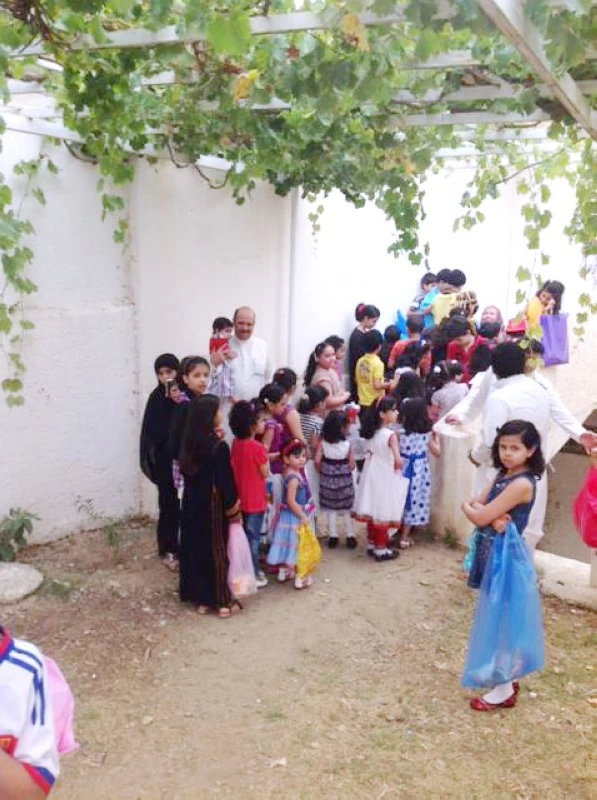
في رمضانات مضت منذ نصف قرن، كانت سيدات بيوتات الباحة يحرصن على إبعاد الأطفال عن مائدة الإفطار إلى ما بعد الأذان، لمحدودية الأطعمة، ولكون كبار السن الصائمين أولى من الصغار الذين ربما لا يكونون صائمين؛ ولتفادي الإحراج للفتية والفتيات، والآباء والأمهات؛ فجاءت فكرة الإغراء بتحرّي أذان المغرب في الساحات، لتتيح لكبار الأسرة تناول ما يتيسر من تمر وبعض الخبز الشعبي، وأحياناً يكون الإيدام المرق، أو اللبن، أو السمن. وعند رفع الأذان يتسابق الصبية في طريق عودتهم للبيوت، مرددين «آهو وذّن آهو وذّن»، وأحياناً يضعون بارود الكبريت في نقر حجري أو رصاصي ثم يطرقونه بمسمار، ويضربونه ضربة قوية مع قولة الله أكبر؛ محاكاةً لأصوات المدافع التي سمعوا بها ولم يروها إلى تلك اللحظة.
In the Ramadans that passed half a century ago, the housewives of Al-Baha were keen to keep the children away from the iftar table until after the call to prayer, due to the limited food available and because the fasting elders deserved it more than the young ones who might not be fasting; and to avoid embarrassment for the boys and girls, as well as the fathers and mothers. Thus, the idea of enticing them to listen for the Maghrib call to prayer in the squares emerged, allowing the elders of the family to have what they could of dates and some traditional bread, and sometimes there would be a stew, or milk, or ghee. When the call to prayer was raised, the boys would race back home, chanting “Aho wadhan Aho wadhan,” and sometimes they would place gunpowder from matches in a stone or lead hollow and then strike it with a nail, hitting it hard while saying Allahu Akbar; mimicking the sounds of cannons they had heard but had not seen until that moment.
للمزيد من المقالات
اضغط هنا
التعليقات