
«هايكو الأطفال».. مشروع تراكمي بجهود فرديّة – أخبار السعودية
في ظل الاهتمام المتزايد بأدب الطفل، والبحث عن أساليب إبداعية تخاطب وعيه وخياله، يبرز «الهايكو» الموجه للناشئة بوصفه شكلاً أدبياً حديثاً يحاول -بجهود المتخصصين- أن يسلك طريقه إلى عالم الصغار، ليغدو وسيلة تربوية وجمالية تسهم في تنمية ذائقة الطفل، وتعزز قدرته على التأمل واكتشاف الجمال، في تفاصيل الحياة اليومية، بلا احتكار من الكبار ولا قصره عليهم.
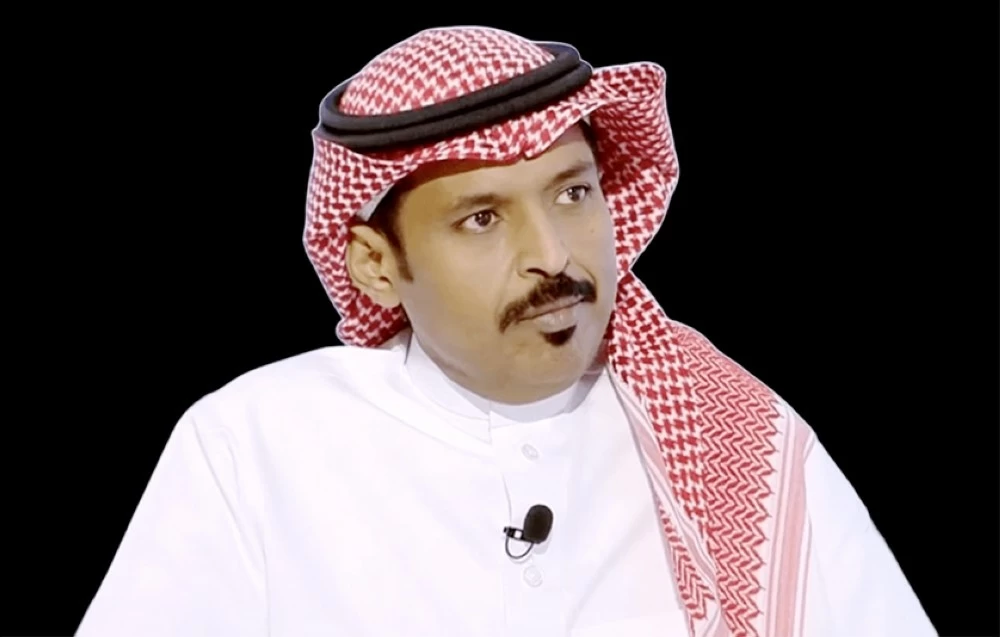
وانطلقت شرارة المبادرة، بسلسلة من التغريدات التي نشرها الدكتور أحمد القيسي عبر منصة (X) دعا فيها المهتمين والجهات المعنية بالطفل في المملكة إلى الالتفات لهذا الشكل التعبيري، الذي يفتقده أدب الطفل في العالم العربي، وأعلن في تلك التغريدات عن مشروعه القادم الذي يعمل عليه منذ أشهر في ورشة أدبية متخصصة أنشأها لهذا المشروع. ويعده الأول من نوعه في الأدب العربي والشرق أوسطي.
وفي أربع أمسيات من أمسيات الشريك الأدبي سلط القيسي الضوء على هذا الموضوع من جوانب مختلفة، بدءاً بالحديث عن أهميته ومدى حاجة الطفل العربي إليه، منوهاً إلى افتقار أدب الطفل في عالمنا العربي للنصوص الوجيزة التي تؤطر المشاهد البسيطة من الطبيعة أو المواقف اليومية العابرة، وتحفزه على تأملها، فالنصوص الموجهة له -على أهميتها- طويلة. واعتبر هذا الفن رافداً جديداً يفتح أفقاً مختلفاً لأدب الطفل العربي.
كما تناول ثيمة التساؤل في هذا النص وأهميتها، مبيناً أن (الهايكو) في أغلب نصوصه إما أن يأتي في صيغة تساؤل، أو مثيراً له، أو مجيباً عنه، وهي الثيمة التي تضبط تساؤلات الطفل في هذه المرحلة وتنميها جمالياً.
وفي حديثه عن لغة النص أوضح أن كاتب (الهايكو) يجب أن يكون على وعي بمستوى تلقي الطفل، ليدرك مدى ملاءمة المفردات والتراكيب التي ينتقيها في نصه للفئة العمرية المستهدفة، وأن ينزل إلى عوالم الصغار ليلتقط المشاهد من محيطهم البسيط.
وأكد القيسي أن مشروعاً كهذا لن يحالفه النجاح إلا بتكاتف الجهود بين مختصين في (الهايكو) وأدب الطفل، ومن هذا المنطلق أنشأ ورشة على برنامج (واتساب)، وضم إليها مجموعة من كتاب وكاتبات (الهايكو) السعوديين، وهم: محمد آل فاضل، عبدالله العنزي، عطاف سالم، يوسف العنزي، مضاوي القويضي، سندس الشريف، ندى العمراني، العنود يحيى، وعفاف أحمد.
واستضاف القيسي في الورشة الخبيرة والباحثة في أدب الطفل الدكتورة وفاء السبيل، لتكون مشرفة على الجوانب المتعلقة بأدب الطفل في النصوص.
وعن النصوص التي أفرزتها الورشة، أوضح القيسي أنها تتسم بتنوع مشهدياتها، وتجنبها مختلف الأدلجات، لكي تخاطب الأطفال من كل ثقافات العالم ولغاته.
أما المخرجات النهائية فيطمح لأن تكون سلسلة من الكتب ترعاها إحدى الجهات، بدءاً بالكتاب الأول الذي سيضم نصوص هذه الورشة، وتكون مصممة وفق معايير كتب الأطفال، لتفتح مساراً جديداً للقراء الناشئة.
وأجمع عدد من النقاد على طزاجة الفكرة، وجدارتها متى اكتسبت صبغة ملائمة لواقعنا الثقافي والتربوي.
وترى الناقدة الدكتورة زكية العتيبي أن أهمية الفكرة تنبع من طبيعة فن (الهايكو)، القائمة على التكثيف والدهشة والتقاط اللحظة، وعدّتها عناصر تنسجم مع طريقة الطفل في إدراك العالم، متطلعةً أن تسهم في تحديث أدوات أدب الطفل العربي، وتربطه بفن عالمي دون المساس بخصوصيته اللغوية والثقافية. وأضافت: «إنْ كتب الله لهذه الفكرة التنفيذ فسيحصد أدب الطفل أثراً بعيد المدى في تشكيل الذائقة الأدبية للأجيال القادمة».
فيما أوضحت الباحثة المتخصصة في أدب الأطفال الدكتورة وفاء السبيل أن «شعر الهايكو مناسب للطفل كونه يقدم صوراً خاطفة تتماشى مع خياله البصري وقصر مدة تركيزه». مشيرةً إلى أنه «عوضاً عن القصائد الطويلة، تمنحه الأسطر الثلاثة مشاهد حسية ملموسة (كصوت المطر أو لون الزهرة)، ما يجعله يستمتع باللغة بصفتها لوحة فنية سريعة، تثير فضوله وتنمي لديه الذوق الجمالي على أن تصاحب النص رسومات تنقل له التجربة كاملة».
فيما عدّ رئيس جمعية الأدب الدكتور حسن النعمي «نصوص الهايكو نصوصاً منفتحة على احتمالات كثيرة، تتكئ على الصورة في مقابل مشهد سردي مفعم بالحركة»، لافتاً إلى أن في التجارب التي اطلع عليها أُخذت نصوص (الهايكو) إلى نقطة أبعد من المألوف، اختبرت توظيف حدس الطفولة بين عفوية اللقطة وبراعة التعبير وهندسة الفكرة. مؤكداً أنه إذا كان الطفل غير مقيد بلغة الوعي المطلق، فإن استقباله لهذه النصوص، نقلة نوعية في فلسفة التلقي. وأضاف النعمي: «بما أن الأدب، و(الهايكو) في هذا السياق، متعالٍ على الوعي الواقعي، فإن هذه النصوص تجسد وعي الطفل غير المقيد بحواجز القول الواقعي المفرط في حساسية الاستقبال، ومضمرات الذاكرة».
وهنأ الدكتور أحمد القيسي وفريقه هذه الخطوة، التي تعالق نصوص (الهايكو) مع عالم الطفل المتجاوز.
فيما ذهب الناقد الدكتور سعود الصاعدي إلى أن «الهايكو في هذه المبادرة، يأتي باعتباره مساراً موازياً لفن الرسم، الذي يبدأ به الطفل تشييد عالمه الخيالي، إلا أنه هذه المرة تشكيل باللغة، لا باللون»، موضحاً أنه بتكامل لغة الطفل مع اللون سنحصل، حتماً، على لغة صقيلة ولون مشع، وستكون تجربة الطفل مع اللغة تجربة تأملية تصقل وجدانه قبل لسانه، وتعيده إلى عالم الطبيعة في الوقت الذي تدخله في عالم اللغة من باب التأمل والخيال والوصف الدقيق.
وأضاف: «من المهم، في نظري، بناء رؤية صلبة لهذه المحاكاة، بقلع (الهايكو) من تربته اليابانية، وغرسها في تربة جديدة تتفاعل مع الطبيعة، بفعل تدبّري لا يقف عند حدود التأمل المطلق». وعدّ التفاعل مع صيغة إبداعية، من المثاقفة الراشدة، التي تبحث عن طرق جديدة للتفاعل الإبداعي ومد جسور بين اللغة والطبيعة، اللغة في كثافتها والطبيعة في امتدادها لفتح نافذة جديدة.
In light of the increasing interest in children’s literature and the search for creative methods that engage their awareness and imagination, “haiku” aimed at young people emerges as a modern literary form that specialists are striving to introduce into the world of children. It becomes an educational and aesthetic tool that contributes to developing the child’s taste and enhances their ability to contemplate and discover beauty in the details of daily life, without monopolization by adults or restriction to them.
The spark of the initiative was ignited by a series of tweets published by Dr. Ahmed Al-Qaisi on the (X) platform, in which he called on those interested and relevant parties in the Kingdom to pay attention to this expressive form, which is lacking in children’s literature in the Arab world. He announced in those tweets his upcoming project that he has been working on for months in a specialized literary workshop he established for this project. It is considered the first of its kind in Arabic and Middle Eastern literature.
In four evenings of the literary partner, Al-Qaisi shed light on this topic from various angles, starting with discussing its importance and the extent of the Arab child’s need for it, noting the lack of concise texts in children’s literature in our Arab world that frame simple scenes from nature or fleeting daily situations and encourage contemplation. The texts directed at them—despite their importance—are long. He considered this art a new tributary that opens a different horizon for Arab children’s literature.
He also addressed the theme of questioning in this text and its importance, indicating that (haiku) in most of its texts either comes in the form of a question, provokes one, or answers it. This theme regulates the child’s questions at this stage and develops them aesthetically.
In discussing the language of the text, he clarified that a (haiku) writer must be aware of the child’s level of reception to understand the appropriateness of the vocabulary and structures they choose in their text for the targeted age group, and to descend into the worlds of children to capture scenes from their simple surroundings.
Al-Qaisi emphasized that a project like this will only succeed through the collaboration of efforts between specialists in (haiku) and children’s literature. From this standpoint, he created a workshop on the (WhatsApp) program, including a group of Saudi (haiku) writers, namely: Mohammed Al-Fadhil, Abdullah Al-Anzi, Atif Salem, Youssef Al-Anzi, Mudawe Al-Qwaidi, Sundus Al-Sharif, Nada Al-Omrani, Al-Anoud Yahya, and Afaf Ahmed.
He hosted in the workshop the expert and researcher in children’s literature, Dr. Wafa Al-Sabeel, to supervise the aspects related to children’s literature in the texts.
Regarding the texts produced by the workshop, Al-Qaisi explained that they are characterized by the diversity of their scenes and their avoidance of various ideologies, so they can address children from all cultures and languages of the world.
As for the final outputs, he aspires for them to be a series of books sponsored by one of the entities, starting with the first book that will include the texts from this workshop, designed according to children’s book standards, to open a new path for young readers.
A number of critics agreed on the freshness of the idea and its worthiness if it acquires a suitable character for our cultural and educational reality.
Critic Dr. Zakia Al-Otaibi sees the importance of the idea stemming from the nature of the (haiku) art, which is based on condensation, astonishment, and capturing the moment, considering these elements to be in harmony with the child’s way of perceiving the world. She hopes it will contribute to modernizing the tools of Arab children’s literature and linking it to a global art without compromising its linguistic and cultural specificity. She added, “If God wills this idea to be implemented, children’s literature will reap long-term effects in shaping the literary taste of future generations.”
Meanwhile, researcher Dr. Wafa Al-Sabeel, a specialist in children’s literature, clarified that “haiku poetry is suitable for children as it presents fleeting images that align with their visual imagination and short attention span.” She pointed out that “instead of long poems, the three lines provide tangible sensory scenes (like the sound of rain or the color of a flower), allowing them to enjoy language as a quick artistic canvas that piques their curiosity and develops their aesthetic taste, provided that the text is accompanied by illustrations that convey the complete experience.”
Dr. Hassan Al-Naami, president of the Literature Association, considered “haiku texts to be open to many possibilities, relying on the image in contrast to a narrative scene filled with movement.” He noted that in the experiences he reviewed, (haiku) texts were taken to a point beyond the usual, testing the employment of childhood intuition between the spontaneity of the snapshot and the skill of expression and the engineering of the idea. He affirmed that if the child is not constrained by the language of absolute awareness, then their reception of these texts represents a qualitative leap in the philosophy of reception. Al-Naami added, “Since literature, and (haiku) in this context, transcends realistic awareness, these texts embody the child’s consciousness unbound by the barriers of overly sensitive realistic expression and the implications of memory.”
Dr. Ahmed Al-Qaisi and his team congratulated this step, which intertwines (haiku) texts with the transcendent world of children.
Critic Dr. Saud Al-Saadi stated that “haiku in this initiative comes as a parallel path to the art of painting, which the child begins to construct their imaginary world with, but this time it is shaped with language, not color.” He explained that by integrating the child’s language with color, we will inevitably achieve a polished language and a radiant color, and the child’s experience with language will be a contemplative one that refines their emotions before their tongue, bringing them back to the world of nature while entering them into the world of language through contemplation, imagination, and precise description.
He added, “In my opinion, it is important to build a solid vision for this simulation by uprooting (haiku) from its Japanese soil and planting it in new soil that interacts with nature, through a contemplation that does not stop at the limits of absolute reflection.” He considered interaction with a creative form to be a form of mature cultural exchange that seeks new ways for creative interaction and bridges between language and nature, language in its density and nature in its expanse to open a new window.
للمزيد من المقالات
اضغط هنا
التعليقات